The confusion between gauge and gouge is easy to understand: the two words differ by just one letter, and neither is spelled the way it sounds. But they mean entirely different things, and swapping one for the other produces a sentence that says something unexpected. This guide explains what each word means, how to pronounce it, and how to use it correctly.
What does gauge mean?
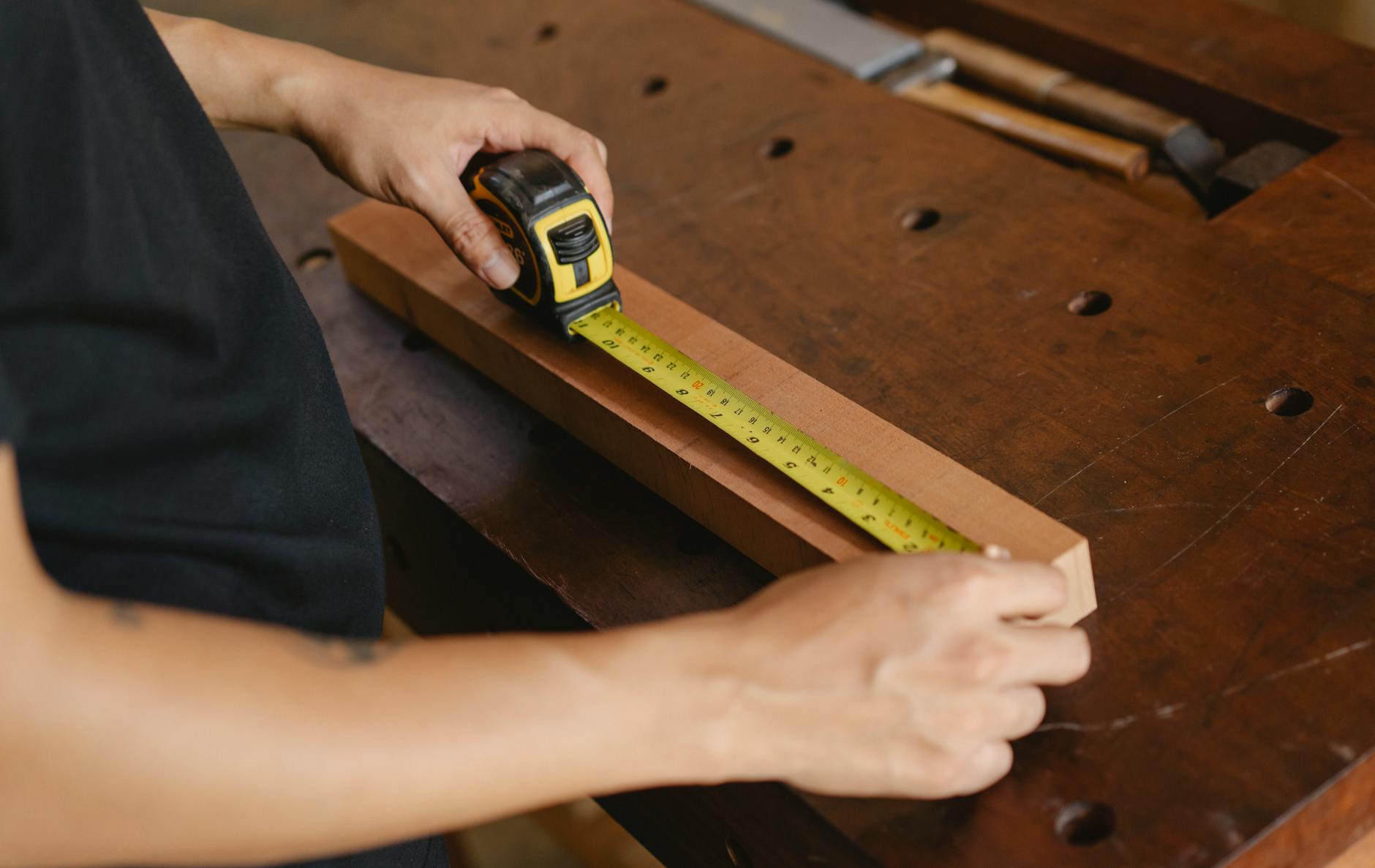
Gauge (pronounced "gayj") is both a noun and a verb. As a noun, it refers to a measurement, standard, or instrument used to measure something. A pressure gauge measures pressure; a rain gauge measures rainfall; a fuel gauge tracks how much petrol is left in a tank. In manufacturing and construction, gauge also refers to the thickness of wire, metal, or sheet material. A 12-gauge shotgun shell and 18-gauge steel both use the word in this sense.
As a verb, gauge means to estimate, judge, or measure something. You gauge a person's mood from their expression. A pilot gauges wind speed before landing. An investor gauges market sentiment before committing capital. The core idea is always measurement or assessment, whether literal or figurative.
Common uses:
- A fuel gauge on a car dashboard
- Standard-gauge railway track (1,435 mm between the rails)
- Trying to gauge how long a project will take
- Wire gauge in electrical work
What does gouge mean?
Gouge (pronounced "gowj," rhyming with "stooge" except with a "g" at the end) is also both a noun and a verb. As a noun, a gouge is a chisel with a curved, hollow blade, used in woodworking and sculpture to carve grooves or channels. It's a real, specific tool with centuries of use behind it.
As a verb, gouge means to scoop out, dig out, or cut with a sharp instrument. You can gouge wood with a chisel. A stone can gouge a scratch into a car door. In American English, gouge also carries a common figurative meaning: to overcharge someone or extort money from them. "That repair shop gouged us on the bill" is a perfectly natural sentence.
The senses of the verb form come together around one idea: forceful removal or extraction, whether of material or money.
The key difference
Gauge relates to measurement, standards, and assessment. Gouge relates to carving, scooping, or overcharging. They don't overlap at all.
A common error is writing "gouge" when you mean "gauge," especially in the phrase "hard to gauge" (meaning hard to estimate). Writing "hard to gouge" changes the sentence from an assessment problem to a pricing complaint. The reverse error also appears: "gouge" sometimes gets written as "gauge" in descriptions of woodworking or physical damage, which strips the word of its specific physical meaning.
Another confusion surfaces in the verb sense of gauge. Writers sometimes use "gouge" when they mean "to judge or estimate," perhaps because both words suggest some kind of probing. But gauge is the word for estimation. Gouge is for digging.
Pronunciation: the real source of confusion
Most of the mix-up comes from spelling, not sound. The two words don't sound alike at all once you know them:
- Gauge: /ɡeɪdʒ/ — rhymes with "cage" and "stage"
- Gouge: /ɡaʊdʒ/ — rhymes with "ouch" (plus a "g" at the start)
Gauge trips writers up because the "au" combination normally signals an "aw" or "ow" sound in English (cause, haul, sauce). In gauge, that expectation fails. The word follows French pronunciation rules, not standard English ones, because it entered English from Old French. That silent visual trickery is what sends writers reaching for the wrong word on the page. If you've already read about taught vs taut, you'll recognise the pattern: English spelling often hides the true pronunciation behind borrowed conventions.
Memory tricks that actually work
Two quick anchors help.
For gauge: think of a gauge as something that helps you judge. Both "gauge" and "judge" share a "j" sound. Gauge = judgment = measurement. You're always measuring or assessing something.
For gouge: the word contains "ouch." Gouging hurts, whether a chisel is cutting into wood or a mechanic is cutting into your wallet. If there's pain or extraction involved, gouge is the right word.
Example sentences
These examples show each word in its natural habitat:
- "It's difficult to gauge how the audience will react to the ending."
- "The plumber used a gouge to carve the channel into the wooden frame."
- "A standard-gauge track runs across the entire line."
- "The company tried to gouge customers with hidden fees."
- "She checked the pressure gauge before starting the engine."
- "He accidentally gouged a deep scratch into the surface."
Notice that gauge sits comfortably in sentences about measurement and estimation. Gouge always involves something being dug out or extracted. If your sentence doesn't involve either of those things, check whether you've reached for the right word. The distinction is the kind that rouge vs rogue belongs to as well: two words close enough in appearance to cause real confusion, but separated by a clear difference in meaning once you see it.
Quick reference
If you're unsure which word to use, run through this check. Ask whether your sentence involves measuring, estimating, or a standard of thickness. If yes, write gauge. Ask whether your sentence involves carving, scooping, physically cutting something out, or overcharging someone. If yes, write gouge. The two categories don't cross.
Gauge measures. Gouge digs. Keep those two anchors in place and the choice becomes automatic.