Blog
-

Agape: definition, meaning, and how to use it
Agape carries two completely separate meanings depending on how you pronounce it. One describes a mouth hanging open in shock; the other is a Greek theological concept for the highest form of love.
-

Snout: definition, meaning, and how to use it
Snout is the word for the projecting nose and mouth area of an animal, but it stretches well beyond the animal kingdom. Here's exactly what it means and how to use it.
-

Revenue share: definition and what it really means
Revenue share is an arrangement where two or more parties split a portion of income generated by a product, service, or partnership. The term appears across industries from affiliate marketing to online gambling.
-

Live dealer: definition and what it really means
A live dealer is a real human croupier who hosts casino games through a live video stream, letting online players experience the feel of a physical casino from home. Here's exactly what the term means and how it works.
-

Good by vs good bye vs goodby vs goodbye: which is correct?
Good by, good bye, goodby, and goodbye all trace back to the same farewell, but only one spelling is accepted in standard English today. Here's which one to use and how it got there.
-

Immaculate: definition, meaning, and how to use it
Immaculate means perfectly clean, flawless, or free from any blemish. It's a precise adjective with a Latin origin and a wider range of uses than most people expect.
-

Malarkey: definition, meaning, and how to use it
Malarkey means nonsense or foolish, empty talk, especially the kind designed to mislead or impress. It's a vivid, informal word with a disputed history and a surprisingly long reach in modern English.
-

First time depositor: definition and what it means
A first time depositor is a player who completes their first real-money deposit at an online casino or sportsbook. The moment matters more than it sounds, shaping bonus eligibility, marketing triggers, and operator revenue models.
-

Re-load bonus: definition and what it really means
A re-load bonus is a promotional reward that online casinos offer existing players on subsequent deposits, keeping them active after the welcome offer has been used up. Here's exactly what it means and how to use it.
-

Aswell vs as well: which one is correct?
Aswell vs as well is a common spacing error that trips up even careful writers. Only one form is accepted in standard English, and the rule behind it is easy to remember.
-

Lose vs loose: what's the difference?
Lose vs loose is one of English's most persistent spelling errors. The two words look nearly identical but belong to completely different categories of meaning, and the fix is simpler than you'd think.
-

Mono e mono vs mano a mano: which is correct?
Mono e mono vs mano a mano is one of English's most persistent borrowed-phrase errors. Only one form is correct, and the confusion is driven almost entirely by the way the phrase sounds when spoken quickly.
-

Ninty vs ninety: which spelling is correct?
Ninty vs ninety is one of those spelling errors that feels completely reasonable until you look closely. Only one form is correct, and the reason behind the confusion is easier to fix than you'd expect.
-

Intergrate vs integrate: which spelling is correct?
Intergrate vs integrate is a spelling error driven almost entirely by the way the word sounds in speech. Only one form is correct, and the fix takes about a minute to learn.
-

Supercilious: definition, meaning, and how to use it
Supercilious describes an attitude of contemptuous superiority, the kind that looks down on others without bothering to hide it. Here's exactly what the word means and how to use it well.
-

Egregious: definition, meaning, and how to use it
Egregious describes something so bad, wrong, or offensive that it stands out from everything around it. The word has a surprising history and a very specific job in English.
-

Lifetime value: definition and what it really means
Lifetime value (LTV) is the total revenue a business expects to earn from a single customer over the entire relationship. It's one of the most important numbers in any growth strategy.
-

Casino payout rate: definition and what it really means
Casino payout rate is the percentage of total money wagered that a casino returns to players over a large sample of bets. Knowing how it works helps you compare games and platforms before you play.
-

Wile away vs while away: which phrase is correct?
Wile away vs while away is one of English's most genuinely contested phrase pairs. Both forms have appeared in print for centuries, but they don't carry equal weight in modern usage.
-

Pronounciation vs pronunciation: which is correct?
Pronounciation vs pronunciation is one of English's most common spelling errors. Only one form is accepted in standard writing, and the reason for the mix-up is simpler than you might expect.
-

Tounge vs tongue: which spelling is correct?
Tounge vs tongue is one of English's most common spelling errors. Only one form is accepted, and the fix is simpler than you might expect once you see why the mistake happens.
-

Free spins: definition and what they really mean
Free spins are bonus rounds in online slots that let you spin the reels without spending your own money. They sound simple, but the rules attached to them can change their value dramatically.
-

Irregardless vs regardless: which one is correct?
Irregardless vs regardless is one of English's most debated word pairs. Only one form is standard, and the reason the other feels so natural is easier to explain than you'd think.
-

Choose vs chose: what's the difference?
Choose vs chose is a tense question, not a spelling guess. One word lives in the present, the other in the past, and the rule that separates them takes about a minute to learn.
-

Sagacity: definition, meaning, and how to use it
Sagacity is a noun describing the quality of being wise, perceptive, and sound in judgment. It goes beyond raw intelligence, pointing instead to the kind of understanding that comes from experience and careful observation.
-

Casino game volatility: definition and what it really means
Casino game volatility describes how a slot or table game distributes its payouts over time. Understanding it helps you choose games that match your budget and playing style.
-

Pokies: definition, meaning, and how they work
Pokies is the everyday Australian and New Zealand word for slot machines. Whether you're playing in a pub, a casino, or online, here's exactly what the term means and how the games work.
-

Artisanal vs artesian: what's the difference?
Artisanal and artesian sound alike enough to cause real confusion, but they belong to entirely different categories of meaning. Here's exactly which one to use and why.
-

Underlining vs underlying: what's the difference?
Underlining vs underlying is one of those word pairs that looks obvious until you need to write it. Only one is correct in most contexts, and the distinction comes down to grammar and meaning.
-

Eminent vs imminent vs immanent: what's the difference?
Eminent, imminent, and immanent sound nearly identical but belong to separate categories of meaning. Mixing them up changes what your sentence actually says, and the fix is simpler than you might expect.
-
Wont vs won't: what's the difference?
Wont and won't look almost identical on the page, but they belong to entirely separate categories of meaning. Getting the choice right takes less than a minute to learn.
-
Eschew: definition, meaning, and how to use it
Eschew means to deliberately avoid or abstain from something, usually on moral or practical grounds. It's a precise, formal verb with centuries of history in English.
-

Weekly bonus: definition and what it really means
A weekly bonus is a recurring promotional reward that online casinos and sportsbooks offer on a seven-day cycle. Understanding how it works helps you decide whether it's worth claiming.
-
Little own vs let alone: which phrase is correct?
Little own vs let alone is one of English's most common sound-alike phrase errors. Only one form is accepted in standard English, and the fix is simple once you see how the mix-up happens.
-

Alternate vs alternative: what's the difference?
Alternate and alternative look nearly identical, but they carry different meanings and don't always swap cleanly. Here's exactly which one to reach for and why the confusion happens so often.
-

Perogative vs prerogative: which spelling is correct?
Perogative vs prerogative is one of English's most persistent spelling errors. Only one form is correct, and the reason behind the confusion is easier to fix than you might think.
-

Weather: definition, meaning, and how to use it
Weather describes the short-term state of the atmosphere at a particular place and time. It covers everything from sunshine and rain to wind speed, humidity, and temperature.
-

Condescending: definition, meaning, and how to use it
Condescending describes an attitude or behaviour that treats other people as though they are beneath you in intelligence or status. It's a precise, frequently misused word worth understanding clearly.
-

Random number generator: definition and how it works
A random number generator is a system that produces sequences of numbers with no predictable pattern. It underpins everything from casino games to cryptography and scientific simulations.
-

Free slots: definition and what they really mean
Free slots are casino slot games that let you spin the reels without wagering real money. They work the same way as their paid counterparts, powered by the same technology, with one key difference: no real cash at risk.
-
Hisself vs himself: which one is correct?
Hisself vs himself is a common mix-up, but only one form is accepted in standard English. The fix is straightforward once you see how reflexive pronouns actually work.
-

Casino minimum deposit: what it is and why it matters
A casino minimum deposit is the smallest sum an online casino will accept when you fund your account. It affects which bonuses you can claim, which payment methods you can use, and how far your budget stretches.
-

Suit vs suite: what's the difference?
Suit and suite sound nearly the same when spoken aloud, but they belong to different categories of meaning. Knowing which one to use takes less than a minute to learn.
-

Premise vs premises: what's the difference?
Premise and premises look like simple singular and plural, but they actually carry different meanings. Here's which one to use and why the confusion runs deeper than it first appears.
-

Resignate vs resonate: which one is correct?
Resignate is not a word in any standard dictionary, yet it turns up constantly in speech and writing. The word you almost always want is resonate, and here's why.
-

Infallible: definition, meaning, and how to use it
Infallible means incapable of being wrong or failing under any circumstances. It's a precise adjective with roots in Latin and a surprisingly wide range of uses in modern English.
-

Sabbatical: definition, meaning, and how to use it
A sabbatical is a period of paid or unpaid leave granted to someone, usually an employee or academic, to pursue research, rest, or personal development away from their normal duties.
-

House edge: definition and what it really means
The house edge is the mathematical advantage built into every casino game, expressed as a percentage of each bet the casino expects to keep. Understanding it changes how you think about every wager you place.
-

Allegro: definition, meaning, and how to use it
Allegro is a musical direction telling performers to play at a quick, lively tempo. It's one of the most common terms in classical music, and knowing it precisely opens up a wider world of musical vocabulary.
-

Beaurocracy vs bureaucracy: which spelling is correct?
Beaurocracy vs bureaucracy is one of English's most understandable spelling mix-ups. Only one form is correct, and the reason behind the confusion makes it easy to remember for good.
-

Game mechanics: definition, meaning, and how they work
Game mechanics are the rules, systems, and interactions that define how a game works and what players can do inside it. Understanding mechanics helps you think more clearly about any game you play or design.
-

Dateline vs deadline: what's the difference?
Dateline and deadline look alike and share a root, but they belong to entirely different categories of meaning. Mixing them up changes what your sentence actually says.
-

Genius vs brilliant: what's the real difference?
Genius and brilliant both describe exceptional intelligence, but they carry different weight and work differently in a sentence. Here's what separates them.
-

Flys vs flies: which one is correct?
Flys vs flies is a spelling question with a clear answer, but the reason behind it touches on a verb rule that applies across dozens of English words.
-

Assuage: definition, meaning, and how to use it
Assuage means to ease or relieve something unpleasant, whether a feeling, a fear, or a physical sensation. It's a precise verb with a long history and a specific job in English.
-

Headstrong: definition, meaning, and how to use it
Headstrong describes a person who pushes ahead with their own will regardless of advice or opposition. It's a precise adjective with a long history and a nuanced place in English.
-

Surmount: definition, meaning, and how to use it
Surmount means to overcome a difficulty or to physically rise above something. It's a precise, versatile verb worth knowing how to use correctly.
-

Fickle: definition, meaning, and how to use it
Fickle describes a person or thing that shifts unpredictably in affection, loyalty, or mood. It's a precise adjective with a long history in English and a clear job in any sentence.
-

Buttox vs buttocks: which spelling is correct?
Buttox vs buttocks is a common spelling confusion, but only one form appears in any standard dictionary. The fix is quick once you see why the mix-up happens.
-

Bonus abuse: definition and what it means
Bonus abuse is the practice of exploiting casino or sportsbook promotions in ways that go beyond their intended purpose. It's a term every player and operator should understand.
-

Blindsighted vs blindsided: which one is correct?
Blindsighted vs blindsided is one of English's most understandable mix-ups, but only one form is accepted. The fix is simple once you see where the confusion comes from.
-

Breach vs breech: what's the difference?
Breach and breech are both real English words, but they belong to entirely different categories of meaning. Mixing them up changes what your sentence says.
-

Amature vs amateur: which spelling is correct?
Amature vs amateur is one of English's most common spelling errors. Only one form is correct, and the reason behind the confusion is easier to fix than you might expect.
-

Smouldering: definition, meaning, and how to use it
Smouldering describes a slow, flameless burn or a feeling of intense emotion held just below the surface. It's a vivid word that works across physical and figurative contexts.
-

In tact vs intact: which one is correct?
In tact vs intact is a surprisingly common mix-up, but only one form is the accepted English word. The confusion is driven by how naturally the phrase sounds when spoken aloud.
-

Amenable: definition, meaning, and how to use it
Amenable describes a person or thing that is open, responsive, or willing to go along with something. It's a precise adjective with two distinct uses worth knowing.
-

Dour: definition, meaning, and how to use it
Dour describes a person or atmosphere that is relentlessly stern, gloomy, or unyielding. It's a compact adjective with a specific job, and using it well adds real precision to your writing.
-

Fushia vs fuchsia: which spelling is correct?
Fushia vs fuchsia is one of English's most persistent spelling traps. Only one form is correct, and the reason behind the confusion makes the fix stick.
-

Gambling chargeback: definition and what it means
A gambling chargeback is what happens when a player asks their bank to reverse a deposit or transaction made at an online casino or sportsbook. The consequences can be serious for both sides.
-

Tore vs torn: what's the difference?
Tore and torn both come from the verb "tear," but they serve different grammatical purposes. Getting the choice right takes less than a minute to learn.
-

Reoccurring vs recurring: which one is correct?
Reoccurring and recurring both describe things that happen again, but they don't mean quite the same thing. Here's which one to reach for and why the confusion keeps happening.
-

Mfr vs mfg: what's the difference?
Mfr and mfg are both shorthand for words rooted in "manufacture," but they don't always overlap. Knowing which one fits your context takes less than a minute to learn.
-

All for not vs all for naught: which one is correct?
All for not vs all for naught is one of English's most common sound-alike errors. Only one phrase is accepted, and the fix is straightforward once you know why it happens.
-

Hardly never vs hardly ever: which one is correct?
Hardly never and hardly ever compete in everyday speech, but only one is accepted in standard English. The confusion is a classic double-negative trap, and the fix takes about a minute to learn.
-

Countenance: definition, meaning, and how to use it
Countenance carries two distinct meanings: as a noun it refers to a person's face or expression, and as a verb it means to permit or approve. It's a word with centuries of history and a precise role in formal writing.
-

Placid: definition, meaning, and how to use it
Placid describes a state of calm so complete it seems almost effortless. It works for still lakes, unruffled personalities, and quiet mornings alike.
-

Kindergarden vs kindergarten: which spelling is correct?
When comparing kindergarden vs kindergarten, only one spelling is correct. The mix-up is driven by pronunciation, and it's easier to fix than you might think.
-

Gambler self exclusion: definition and what it means
Gambler self exclusion is a formal commitment that lets a person voluntarily block themselves from gambling platforms or venues for a set period. It's one of the most concrete tools in responsible gaming, and understanding it takes only a few minutes.
-

Ratio: definition, meaning, and how to use it
A ratio is a way of comparing two or more quantities by showing how much of one there is relative to another. It's one of the most versatile terms in mathematics, writing, and everyday speech.
-

Pray vs prey: what's the difference?
Pray and prey sound identical when spoken aloud, but they belong to separate categories of meaning. The fix is simple once you see the pattern behind each word.
-
Here's vs here are: which one is correct?
Here's and here are both introduce a subject, but they follow different grammatical rules. The choice comes down to whether what follows is singular or plural.
-

Afghan vs afghani: what's the difference?
Afghan and afghani look nearly identical, but they cover different ground. One refers to people, culture, and a famous knitted blanket; the other is the currency of Afghanistan.
-

Specie vs species: what's the difference?
Specie and species look nearly identical, but they belong to different categories of meaning. Knowing which one fits your sentence takes less than a minute to learn.
-

Marred: definition, meaning, and how to use it
Marred means spoiled or damaged in a way that reduces something's quality, beauty, or success. It's a precise past-tense adjective with a long history in English.
-

Dainty: definition, meaning, and how to use it
Dainty describes something delicately small, pretty, or carefully refined. It's a word with centuries of history and a surprisingly broad range of uses in modern English.
-
Infact vs in fact: which one is correct?
When comparing infact vs in fact, only one form is accepted in standard English. The confusion is driven by how naturally the phrase flows in speech, and the fix takes about a minute to learn.
-

Casino game supplier: definition and what it means
A casino game supplier is a company that designs, builds, and licenses casino games to online and land-based operators. They sit behind every slot, table game, and live dealer product a player encounters.
-

Nieve vs naive: which one is correct?
When comparing nieve vs naive, only one is a real English word. The mix-up is driven by sound, and the fix is simple once you see why it happens.
-

Online slots: definition and how they work
Online slots are digital versions of the classic casino slot machine, powered by random number generators and playable from any device. Here's what they are, how they work, and what the key terms actually mean.
-

Mantle vs mantel: what's the difference?
Mantle and mantel look nearly identical, but they belong to different categories of meaning. Knowing which one fits your sentence takes less than a minute to learn.
-

Born vs borne: what's the difference?
Born and borne both come from the verb "bear," but they've split into distinct uses that follow a clear rule. Knowing which one fits your sentence takes about a minute to learn.
-

Stood vs stayed: what's the difference?
Stood and stayed are both past tenses, but they come from different verbs with different meanings. Swapping one for the other changes what your sentence actually says.
-

Vivacious: definition, meaning, and how to use it
Vivacious describes a person who radiates lively energy and irresistible high spirits. It's a precise, flattering adjective with a clear role in English, and using it well takes only a moment to learn.
-

Rife: definition, meaning, and how to use it
Rife means widespread, prevalent, or full of something, almost always something negative. It's a compact adjective that carries real force when used correctly.
-

Congradulations vs congratulations: which is correct?
When comparing congradulations vs congratulations, only one spelling is standard English. The error is driven by how the word sounds, and the fix is simple once you see it.
-

Table games: definition and what they really are
Table games cover a wide family of structured games played on a flat surface, including casino staples like blackjack, roulette, and baccarat, as well as board and card games played at home.
-

Writting vs writing: which spelling is correct?
When comparing writting vs writing, only one spelling is standard English. The double-t feels logical, but there's a clear rule that explains why it's wrong and how to avoid it.
-

Live casino: definition and what it really means
A live casino connects players to a real dealer via a live video stream, combining the atmosphere of a physical casino with the convenience of playing online. Here's what the term means, how the technology works, and what sets it apart.
-

Ringer vs wringer: what's the difference?
Ringer and wringer sound almost identical, but they cover separate territory. Knowing which one fits your sentence takes about a minute and prevents a mistake that trips up even confident writers.
-

Next store vs next door: which phrase is correct?
When comparing "next store" vs "next door," only one is the accepted phrase. The confusion is driven by sound, and the fix takes about a minute to learn.
-

Select vs selected: what's the difference?
Select and selected both refer to a choosing process, but they don't work the same way in a sentence. Here's how to tell them apart and use each one correctly.
-

Wallow: definition, meaning, and how to use it
Wallow means to roll around in something, or to indulge so deeply in a feeling that you seem to have no desire to leave it. It's a vivid, expressive word with a long history in English.
-

Addled: definition, meaning, and how to use it
Addled means confused, muddled, or mentally disoriented. It's a vivid, slightly old-fashioned adjective with a history rooted in rotten eggs and a broader life in everyday English.
-

Ceasar vs caesar: which spelling is correct?
When comparing ceasar vs caesar, only one spelling is standard English. The mix-up is almost entirely driven by how the word sounds, and the fix is quick once you see the pattern.
-

Mirage: definition, meaning, and how to use it
A mirage is an optical illusion produced when light bends through layers of air at different temperatures, making distant objects appear displaced or impossible. The word carries both a precise scientific meaning and a rich figurative life.
-

Gaurd vs guard: which spelling is correct?
When comparing gaurd vs guard, only one spelling is standard English. The mix-up is almost entirely driven by how the word sounds, and the fix takes seconds to learn.
-

Hot drops: definition, meaning, and how to use it
Hot drops are time-sensitive releases or prize events designed to create immediate excitement and urgency. The term spans gaming, online gambling, and retail, but it works the same way in each context.
-

Costumer vs customer: what's the difference?
Costumer and customer look nearly identical, but they belong to entirely different categories of meaning. Mixing them up changes what your sentence says in a way that can confuse or amuse your reader.
-

Mislead vs misled: what's the difference?
Mislead and misled come from the same verb, but they serve different grammatical roles. The confusion is easy to understand, and the fix takes about a minute to learn.
-

Staid vs stayed: what's the difference?
Staid and stayed sound almost identical, but they belong to completely different grammatical categories. One is an adjective, the other a verb form, and swapping them changes your sentence entirely.
-

Drier vs dryer: what's the difference?
Drier and dryer look almost identical, but they serve completely different grammatical roles. Knowing which one to write takes less than a minute and prevents a surprisingly common error.
-

Headland: definition, meaning, and how to use it
A headland is a narrow point of high land that projects into a sea, lake, or river. It's a precise geographical term with a longer history in English than most people realise.
-

Memorium vs memoriam: which one is correct?
When comparing memorium vs memoriam, only one form is standard. The confusion is driven by how the phrase sounds, and the fix is simple once you know the Latin behind it.
-

Pablum: definition, meaning, and how to use it
Pablum describes speech, writing, or ideas so bland and inoffensive that they carry no real meaning. It's a precise insult with a fascinating commercial origin.
-

Pedal to the medal vs pedal to the metal: which is correct?
When comparing "pedal to the medal" vs "pedal to the metal," only one is the accepted phrase. The confusion is driven entirely by sound, and the fix is simple once you understand where the expression comes from.
-

Progressive jackpot: definition and what it really means
A progressive jackpot is a prize that keeps growing until one player wins it, fed by a small slice of every wager placed on the game. It's the engine behind some of the largest payouts in casino history.
-

Build off of vs build on: which phrase is correct?
Both "build off of" and "build on" appear constantly in English, but they don't carry the same weight. One is a clean, widely accepted idiom; the other is informal and sometimes redundant.
-

Judgement vs judgment: which spelling is correct?
Both judgement and judgment are real English words, but they don't carry equal weight in every context. Here's which spelling to reach for and when.
-

Submittal vs submission: what's the difference?
Submittal and submission both come from the same Latin root, but they've settled into different professional worlds. Here's which one fits your sentence.
-

Dealed vs dealt: which one is correct?
When comparing "dealed" vs "dealt," only one is the standard past tense of "deal." The confusion is driven by how English forms irregular verbs, and the fix is quick once you see the pattern.
-

Canon vs cannon: what's the difference?
Canon and cannon sound identical when spoken aloud, but they cover entirely separate territory on the page. Mixing them up changes what your sentence actually says, and the fix takes less than a minute to learn.
-

Firey vs fiery: which spelling is correct?
When it comes to firey vs fiery, only one spelling is standard English. The confusion is almost entirely driven by pronunciation, and the fix takes about thirty seconds to lock in.
-

Abyss: definition, meaning, and how to use it
Abyss describes a depth so vast it seems to have no bottom, whether literal or figurative. It's one of English's most evocative words for vastness, despair, or an unknown darkness.
-

Neice vs niece: which spelling is correct?
When comparing "neice" vs "niece," only one is the accepted spelling. The mix-up is driven by how the word sounds, and the fix takes about ten seconds to learn.
-

Jackpot: definition, meaning, and how to use it
A jackpot is a large prize or unexpected windfall, most often associated with gambling but widely used in everyday English to describe any sudden, spectacular stroke of luck.
-

Full proof vs foolproof: which one is correct?
When comparing "full proof" vs "foolproof," only one is a standard English word. The mix-up is almost entirely driven by how the phrase sounds when spoken quickly, and it's easy to fix once you see the logic behind it.
-

Floppy disk vs hard disk: what's the difference?
Floppy disks and hard disks are both magnetic storage devices, but they work differently and belong to entirely separate eras of computing. Knowing the distinction matters more than you might think.
-

Somebody vs someone: what's the difference?
Somebody and someone mean exactly the same thing, but they don't always feel the same in a sentence. Here's when each word fits and why careful writers reach for one over the other.
-

Glum: definition, meaning, and how to use it
Glum describes a mood of quiet, inward sadness or sullen dejection. It's a short, expressive adjective with a long history in English.
-

Cauterize: definition, meaning, and how to use it
Cauterize means to burn or sear body tissue, usually to seal a wound or destroy harmful cells. It's a precise medical and figurative term worth knowing how to use correctly.
-

Deposit bonus: definition and what it really means
A deposit bonus is a promotional incentive that rewards players based on how much they deposit into an online casino or sportsbook account. The structure varies widely, and the fine print matters more than the headline figure.
-

Practicable vs practical: what's the difference?
Practicable and practical look nearly identical, but they carry different meanings. Mixing them up changes what your sentence actually says, and the fix is simpler than you'd expect.
-

Unpleased vs displeased: what's the difference?
When comparing "unpleased" vs "displeased," only one is the accepted word in standard English. The mix-up is easy to understand, but quick to fix once you see the pattern.
-

Gauge vs gouge: what's the difference?
Gauge and gouge look similar on the page, but they belong to completely separate categories of meaning. Mixing them up changes what your sentence says in ways you probably didn't intend.
-

Sanguine: definition, meaning, and how to use it
Sanguine describes a confident, cheerful optimism that holds up even when things look grim. It's a precise adjective with a rich history rooted in medieval medicine.
-

Prodigy: definition, meaning, and how to use it
A prodigy is a person, typically a child or young person, who displays an extraordinary natural talent far beyond what is expected for their age. The word carries centuries of history and a few important nuances worth knowing.
-

Vexing: definition, meaning, and how to use it
Vexing describes something that causes persistent irritation or frustration, often because it resists easy resolution. It's a precise adjective worth knowing how to use correctly.
-

Buxom: definition, meaning, and how to use it
Buxom is an English adjective most commonly used today to describe a woman who is full-figured and healthy in appearance. Its origins, though, are far stranger than the modern sense suggests.
-

Sleuth: definition, meaning, and how to use it
Sleuth means a detective or person who investigates mysteries. It's one of English's most evocative words for a particular kind of dogged, observant inquiry.
-

Wagering requirement: definition and what it really means
A wagering requirement is a multiplier that tells you how many times you must bet a bonus amount before a casino will let you withdraw the funds. It's the single most important number attached to any gambling promotion.
-

Wet your appetite vs whet your appetite: which is correct?
When comparing "wet your appetite" vs "whet your appetite," only one is the accepted phrase. The confusion is driven entirely by sound, and it's easy to fix once you know what "whet" actually means.
-

Spare of the moment vs spur of the moment: which is correct?
Spare of the moment is a widespread mishearing of spur of the moment, but only one of them is the accepted phrase. The fix is quick once you understand where the expression comes from.
-

Taught vs taut: what's the difference?
Taught and taut are homophones that trip up even careful writers. One is the past tense of "teach," the other means pulled tight, and swapping them changes your sentence entirely.
-

Genial: definition, meaning, and how to use it
Genial describes a person or atmosphere that radiates warmth, good humour, and an easy friendliness. It's a precise, flattering adjective worth knowing how to use correctly.
-

Vicious vs viscous circle vs cycle: what's the difference?
Vicious circle and vicious cycle are both accepted phrases, but viscous circle is a common error driven by sound. Here's which forms are correct and what each word actually means.
-

Rapport: definition, meaning, and how to use it
Rapport describes the sense of ease, mutual trust, and understanding that develops between people. It's a precise word with a clear job, and using it well starts with knowing exactly what it means.
-

Abysmal: definition, meaning, and how to use it
Abysmal means so bad it approaches the bottomless. It's one of English's strongest negative adjectives, and using it precisely takes only a moment to learn.
-

Joke: definition, meaning, and how to use it
A joke is something said, written, or done to provoke laughter or amusement. The word covers everything from a quick one-liner to an elaborate prank, and it functions as both a noun and a verb.
-

Welcome bonus: definition and what it really means
A welcome bonus is an incentive a platform offers new users the moment they register or make their first deposit. The structure and value vary widely, but the mechanics follow a consistent pattern.
-

Upmost vs utmost: what's the difference?
Upmost and utmost look almost identical, but they don't mean the same thing. Knowing which one to use takes about a minute to learn and prevents a surprisingly common mistake.
-

All be it vs albeit: which one is correct?
When comparing "all be it" vs "albeit," only one form is accepted in standard English. The confusion is driven by sound, and it's easy to fix once you see why.
-

Equally as vs equally: which one is correct?
The phrase "equally as" is one of English's most persistent redundancies. Here's which form is correct, why the error happens so often, and how to fix it in your own writing.
-

Perverse vs perverted: what's the difference?
Perverse and perverted come from the same Latin root but they don't mean the same thing. Knowing which one fits your sentence changes the entire tone of what you're saying.
-

Around vs about: what's the difference?
Around and about overlap heavily in everyday speech, but they follow different rules depending on context. Knowing when to swap one for the other keeps your writing clear and precise.
-

Personable: definition, meaning, and how to use it
Personable describes someone with a warm, easy manner that draws people in. It's a precise adjective with a specific job, and it's worth knowing how to use it correctly.
-

Nympho: definition, meaning, and how to use it
Nympho is an informal word for a person, typically a woman, with an unusually intense or compulsive sexual desire. The term carries strong connotations worth understanding before you use it.
-

Satrap: definition, meaning, and how to use it
A satrap was a provincial governor of the ancient Persian Empire, but the word has since travelled into modern English as a label for any petty ruler who exercises power on behalf of a higher authority.
-

Player lifecycle: definition and what it means
Player lifecycle describes the journey a gambler takes from first sign-up through to eventual churn. Operators use it to shape every marketing, retention, and VIP decision they make.
-

Rod iron, rot iron vs wrought iron: which is correct?
Rod iron and rot iron are widespread mishearings of wrought iron, but neither appears in any standard dictionary. Here's which term is correct and where the confusion comes from.
-

Shoe in vs shoo in: which one is correct?
When comparing "shoe in" vs "shoo in," only one is the accepted phrase. The confusion is driven by sound alone, and it's easier to fix once you know where the expression actually comes from.
-

Cue vs queue: what's the difference?
Cue and queue sound identical but belong to separate categories of meaning. Knowing which one to write takes less than a minute to learn and removes a surprisingly common error from your writing.
-

Greatful vs grateful: which spelling is correct?
When comparing "greatful" vs "grateful," only one is correct: grateful. The misspelling is remarkably common, and the reason it happens is easy to understand once you look at the word's roots.
-

Was vs were: when to use each one
Was and were are both past tenses of "to be," but they follow different rules. Getting the choice right comes down to number, person, and one grammatical mood most writers forget about.
-

Coquettish: definition, meaning, and how to use it
Coquettish describes behaviour that is deliberately flirtatious and playfully teasing, designed to attract attention without making a firm commitment. It's a precise adjective with a rich literary history.
-

Andante: definition, meaning, and how to use it
Andante is a musical direction telling performers to play at a moderate, walking pace. It sits between the slower adagio and the brisker moderato, and it shows up far beyond the concert hall.
-

Barmy: definition, meaning, and how to use it
Barmy is a British English adjective meaning crazy, foolish, or wildly eccentric. It's informal, affectionate in tone, and rooted in a surprisingly old piece of brewing vocabulary.
-

VIP high value player: definition and what it means
A VIP high value player is a gambler whose wagering volume and lifetime spend place them in a casino's top customer tier. Understanding the term matters for anyone working in or writing about online gambling.
-

Motherload vs mother lode: which one is correct?
When comparing "motherload" vs "mother lode," only one is the accepted phrase. The mix-up is driven by sound and a very logical false assumption about what the word actually means.
-

Casino retention rate: definition and what it means
Casino retention rate measures the share of players who return and keep playing after their initial visit or deposit. It's one of the most telling performance indicators in online gambling.
-

Cease the day vs seize the day: which is correct?
When comparing "cease the day" vs "seize the day," only one is the real phrase. The mix-up is driven entirely by sound, and it's easier to fix than you might think.
-

Any where vs anywhere: which one is correct?
Only one form is standard: anywhere. "Any where" is a spelling error that feels plausible because English treats some compound words inconsistently, but it doesn't appear in any major dictionary.
-

Rouge vs rogue: what's the difference?
Rouge and rogue look almost identical on the page, but they belong to entirely separate categories of meaning. Knowing which one to reach for takes about a minute to learn.
-
Thusfar vs thus far: which one is correct?
When comparing thusfar vs thus far, only one form is accepted in standard English. The fix is quick, and once you see it, you won't second-guess it again.
-

Effete: definition, meaning, and how to use it
Effete describes something so overrefined or exhausted of vitality that it can no longer function with strength or purpose. It's a precise adjective with a long history and a surprisingly charged modern life.
-

Pulchritude: definition, meaning, and how to use it
Pulchritude is a formal noun for physical beauty, and it's one of English's great paradoxes: a word that sounds harsh but means something entirely beautiful. Here's what it means and how to use it.
-

Churn rate: definition and what it means
Churn rate measures how many customers a business loses over a given period, expressed as a percentage. It's one of the most closely watched figures in subscription businesses, SaaS, and online platforms.
-

Decadent: definition, meaning, and how to use it
Decadent describes something marked by excessive luxury, self-indulgence, or moral decline. It's a word with a surprisingly rich history and a wider range of uses than most people expect.
-

ARPU (average revenue per user): definition and what it means
ARPU, or average revenue per user, tells a business how much revenue it generates from each active customer over a given period. It's one of the most widely tracked metrics in SaaS, gaming, and telecom.
-

Plain vs plane: what's the difference?
Plain and plane sound exactly the same but cover completely different territory. Knowing which one to write takes about 30 seconds to learn and sticks for life.
-

Lense vs lens: which spelling is correct?
Only one spelling is standard: lens. "Lense" is a widespread misspelling that feels natural because of how English plurals and related words work, but it doesn't appear in any major dictionary.
-

Brake vs break: what's the difference?
Brake and break sound identical but cover entirely different ground. Knowing which one to write takes less than a minute to learn and saves you from a very common error.
-

Standalone vs stand alone: what's the difference?
Standalone and stand alone look almost identical, but they play different grammatical roles. Knowing which form to use keeps your writing clean and precise.
-

Underhanded: definition, meaning, and how to use it
Underhanded describes actions or behavior that are secretive and dishonest, designed to deceive without being noticed. It's a precise word with clear uses in everyday writing.
-

Avid: definition, meaning, and how to use it
Avid describes a level of enthusiasm that goes well beyond casual interest. It's a precise, versatile adjective worth knowing how to use correctly.
-

Exacerbate: definition, meaning, and how to use it
Exacerbate means to make something worse, more intense, or more severe. It's a precise verb that shows up in medical, political, and everyday writing, and using it correctly can sharpen your prose.
-

Panhandler: definition, meaning, and how to use it
A panhandler is a person who begs for money or food in a public place, typically from strangers on the street. The word has a long history in American English and carries specific social and legal connotations.
-

Affiliate marketing: definition and how it works
Affiliate marketing is a performance-based arrangement where a publisher earns a commission for sending customers to a brand. It powers billions of dollars in online sales and shapes how much of the web is monetised.
-

Ect vs etc: which one is correct?
Ect is a widespread misspelling of etc, the standard abbreviation for et cetera. Only one form is correct, and the fix is simpler than you might think.
-
Undoubtably vs undoubtedly: which one is correct?
When comparing undoubtably vs undoubtedly, only one form is standard English. Here's which word is correct and why the wrong one sounds so convincing.
-

Wary vs weary vs leery: what's the difference?
Wary, weary, and leery look and sound similar enough to cause real confusion, but they mean different things. Here's how to tell them apart and use each one correctly.
-

Sang vs sung: which one is correct?
Sang and sung are both past forms of "sing," but they follow different grammatical rules. Using the wrong one is one of the most common verb errors in English.
-

Waning: definition, meaning, and how to use it
Waning describes something that is gradually decreasing in strength, size, or influence. It's a precise word with roots in Old English, and it turns up everywhere from astronomy to everyday speech.
-

Begs belief vs beggars belief: which is correct?
People reach for both "begs belief" and "beggars belief," but only one is the accepted phrase. Here's which is correct, where the confusion comes from, and how to avoid the mix-up.
-

Taut: definition, meaning, and how to use it
Taut means pulled or drawn tight, with no slack. It's a precise adjective that works across physical, literary, and emotional contexts, and it's easy to confuse with "taught."
-

Yuppie: definition, meaning, and how to use it
Yuppie is a noun describing a young, ambitious, and typically wealthy professional living in an urban area. The word carries decades of cultural history and still lands with a distinct edge today.
-

Casino aggregator: definition and what it means
A casino aggregator is a technology platform that connects online casinos to dozens or hundreds of game developers through a single integration. It's a term with growing relevance in the iGaming industry.
-

Febuary vs February: which spelling is correct?
Only one spelling is correct: February. "Febuary" is a widespread misspelling driven by the way most English speakers pronounce the word, but it doesn't exist in any standard dictionary.
-

Sort after vs sought after: which is correct?
Sort after is a widespread misspelling of "sought after," an adjective that means highly desired or in demand. Here's why the confusion happens and how to get it right every time.
-

Marshmellow vs marshmallow: which spelling is correct?
Only one spelling is correct: marshmallow. "Marshmellow" is a widespread misspelling driven by the way the word sounds, but it doesn't appear in any standard dictionary.
-

Hence why vs hence: which one is correct?
Hence why sounds natural in speech, but it's a grammatical redundancy. Here's which form is correct and how to use "hence" properly in formal and everyday writing.
-

Coffee clutch vs coffee klatsch vs coffee klatch: which is right?
Coffee clutch is a common misspelling of coffee klatsch (or coffee klatch), a word for an informal gathering over coffee. Here's which forms are correct and why the confusion happens.
-

Working progress vs work in progress: which is correct?
Only one phrase is standard: "work in progress." "Working progress" is a common error that sounds plausible when spoken quickly, but it isn't an established expression in English.
-

Dearth: definition, meaning, and how to use it
Dearth means a scarcity or severe lack of something. It's a compact, forceful word that fits naturally into formal writing and everyday speech alike.
-

Obstinate: definition, meaning, and how to use it
Obstinate describes someone who refuses to change their position despite pressure, reason, or evidence to the contrary. It's a precise word with a particular edge that sets it apart from simple stubbornness.
-

Responsible gaming: definition and what it means
Responsible gaming describes the practices, tools, and regulatory standards designed to keep gambling enjoyable without causing harm. It applies to both players and operators.
-

Loser vs looser: what's the difference?
Loser and looser look nearly identical, but they're entirely different words. Mixing them up is one of the most common spelling errors in English, and it's easier to fix than you'd think.
-

Appose vs oppose: what's the difference?
Appose and oppose share only one letter of difference, but they come from entirely separate Latin roots and carry unrelated meanings. Mixing them up can quietly change what your sentence says.
-

PSS vs PPS: which one should you use?
When you add a second postscript to a letter or email, the correct abbreviation is PPS, not PSS. Here's why the logic works that way and how to remember it.
-

Incase vs in case: which one is correct?
Only one form is standard: "in case." "Incase" is a common spelling error that feels natural because the phrase is spoken quickly, but it doesn't belong in formal writing.
-

Use vs usage: what's the difference?
Both "use" and "usage" are nouns derived from the same root, but they aren't always interchangeable. Knowing which one fits your sentence takes about thirty seconds to learn.
-

Afterall vs after all: which one is correct?
Only one form is standard: "after all." "Afterall" is a spelling error that feels natural because the phrase is spoken as one quick unit, but no major dictionary recognises it.
-

Retch: definition, meaning, and how to use it
Retch means to strain and heave as if about to vomit, often without producing anything. It's a specific, physical word with a clear role in both everyday speech and descriptive writing.
-

Zeal: definition, meaning, and how to use it
Zeal is intense, driving enthusiasm directed at a cause, belief, or goal. It's a word with real force, and using it precisely makes your writing sharper and more expressive.
-

Anti-money laundering: definition and what it means
Anti-money laundering (AML) is the framework of laws, regulations, and procedures that financial institutions use to detect and stop criminals from disguising illegally obtained funds as legitimate income.
-

Bought vs brought: what's the difference?
Bought and brought look and sound alike, but they come from completely different verbs. Mixing them up is one of the most common errors in everyday English writing.
-

Reeking havoc vs wreaking havoc: which is correct?
Only one phrase is correct: wreaking havoc. "Reeking havoc" is a common confusion driven by sound, but it means something else entirely. Here's why the mix-up happens and how to avoid it.
-
Practicle vs practical: which spelling is correct?
Only one spelling is standard: practical. "Practicle" is a misspelling that feels right because of how the word sounds, but it doesn't exist in any major dictionary.
-

Invested interest vs vested interest: which is correct?
People often write "invested interest" when they mean "vested interest," but the two phrases are not interchangeable. Here's which one is correct and what it actually means.
-

Snuck vs sneaked: which one is correct?
Both "snuck" and "sneaked" are past tenses of "sneak," but they don't carry the same weight in formal writing. Here's which one fits your context.
-
Disgression vs discretion: which spelling is correct?
Disgression is a common misspelling, but it doesn't exist in any standard dictionary. The word you want is discretion, and here's how to get it right.
-
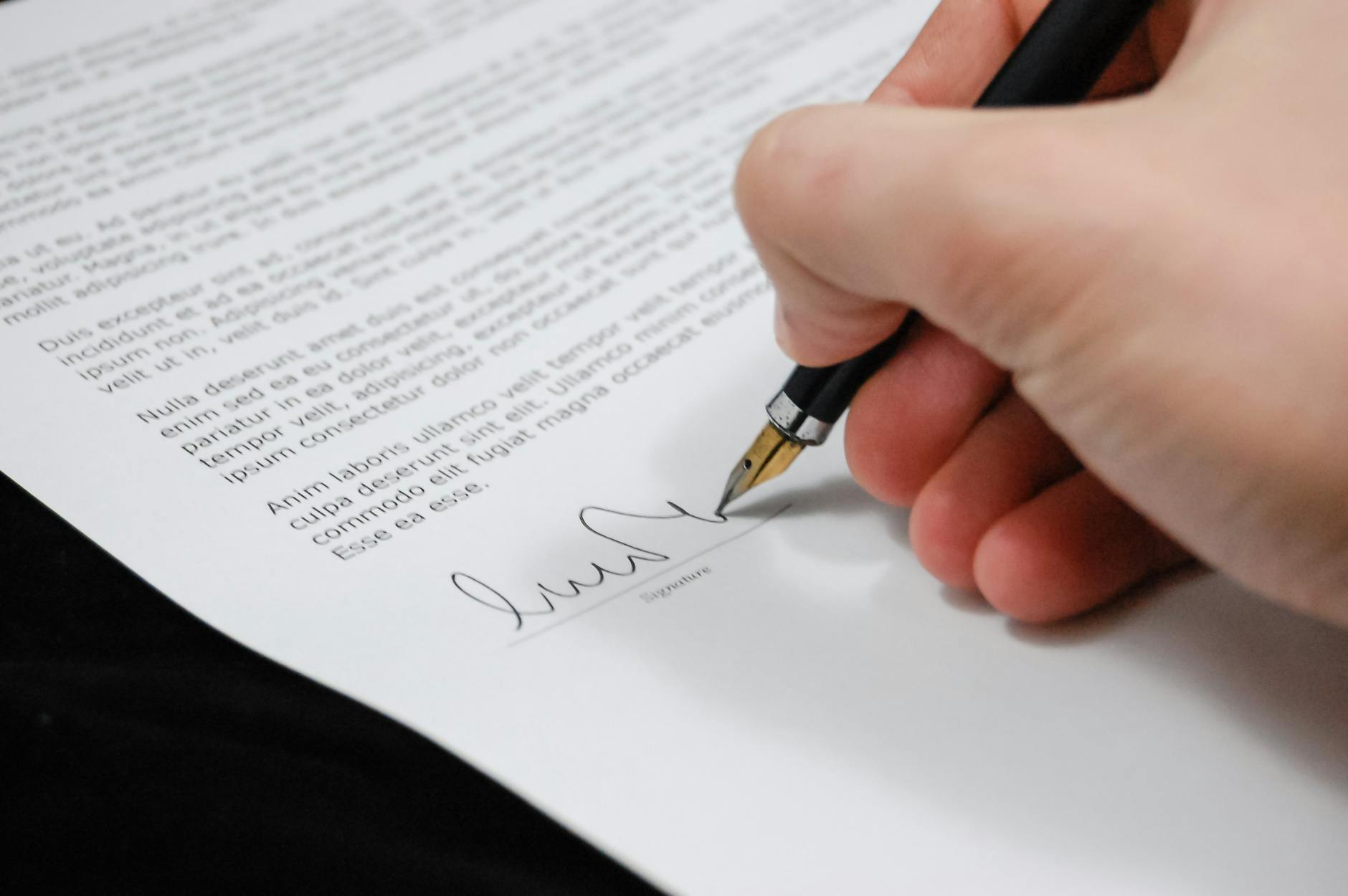
Aforementioned: definition, meaning, and how to use it
Aforementioned means previously mentioned or referred to earlier in a piece of writing. It's a formal word with a specific job, and knowing when to use it well makes a real difference.
-

Wail: definition, meaning, and how to use it
Wail is a word for a sound that carries raw emotion: grief, pain, or protest expressed as a long, loud cry. It works as both a verb and a noun, and it turns up everywhere from poetry to news headlines.
-

KYC (know your customer): definition and what it means
KYC, or know your customer, is the identity verification process that banks, financial services, and online platforms use before letting customers transact. Understanding it helps you know what to expect and why it's required.
-

Resign vs re-sign: what's the difference?
Resign and re-sign look almost identical on the page, but they mean opposite things. One ends a commitment; the other renews it.
-

RTP (return to player): definition and what it really means
RTP, or return to player, is the percentage of all wagered money a casino game pays back to players over a large number of rounds. Understanding it is key to reading any slot or table game honestly.
-

GGR (gross gaming revenue): definition and what it means
GGR, or gross gaming revenue, is the total amount a casino or gambling operator retains after paying out player winnings. It's the foundational metric that regulators, investors, and operators use to measure performance.
-

NGR (net gaming revenue): definition and what it means
NGR, or net gaming revenue, is the real profit figure behind every gambling operation, calculated after bonuses, fees, and taxes are stripped from gross revenue. It's the number analysts and operators trust most.
-

Twat: definition, meaning, and how to use it
Twat is a vulgar English word that functions as both a noun and an insult, with distinct meanings in British and American usage. Its history stretches back centuries.
-

Revenant: definition, meaning, and how to use it
A revenant is a person who returns after death or a long, mysterious absence. The word carries Gothic weight, but it turns up in literature, film, and everyday language more often than you'd expect.
-

Nefarious: definition, meaning, and how to use it
Nefarious describes something or someone deeply wicked, criminal, or morally reprehensible. It's a precise word with real punch, and knowing how to use it well makes your writing sharper.
-

Conducive: definition, meaning, and how to use it
Conducive describes conditions that help bring about a particular result or outcome. It's a precise, useful adjective that fits naturally in both formal writing and everyday speech.
-

Jeer: definition, meaning, and how to use it
A jeer is a sharp, contemptuous shout or remark aimed at making someone feel small. The word works as both a noun and a verb, and it turns up everywhere from sports stadiums to political speeches.
-

Motley: definition, meaning, and how to use it
Motley describes a mix so varied it borders on chaotic, whether in colour, character, or composition. It's a rich word with a history stretching back to medieval England.
-

Falsity: definition, meaning, and everyday use
Falsity refers to the quality or condition of being false, untrue, or deceptive. It's a precise word with a specific role in law, logic, and everyday writing.
-

Embolden: definition, meaning, and how to use it
Embolden means to make someone bolder or more confident, and it's a word that carries real weight in both everyday speech and formal writing. Here's exactly what it means and how to use it well.
-

Dissembling: definition, meaning, and how to use it
Dissembling means hiding your real motives or feelings behind a deceptive facade. It's a precise word for a particular kind of dishonesty, and knowing it sharpens both your reading and your writing.
-

Eminent: definition, meaning, and how to use it
Eminent describes someone or something that stands out clearly above others, whether in status, achievement, or reputation. It's also one of the most commonly confused words in English.
-

Punctilious: definition, meaning, and how to use it
Punctilious describes someone who pays careful, almost exacting attention to rules, etiquette, or fine points of conduct. It's a precise word that carries a slightly formal edge.
-

Eatery: definition, meaning, and how to use it
An eatery is simply a place where people go to eat, from a roadside diner to a full-service restaurant. The word is informal but widely used in journalism, food writing, and everyday speech.
-

Webmaster: definition, meaning, and how to use it
A webmaster is the person responsible for building, maintaining, and managing a website. The term has a long history in internet culture and still carries practical meaning today.
-

Segway: definition, meaning, and how to use it
Segway names a self-balancing electric scooter that changed ideas about personal transport, but the word also lives a double life as an informal spelling of "segue." Here's what each sense means and when to use them.
-

Weiner vs wiener: which spelling is correct?
Weiner and wiener look like equally plausible spellings, but only one is the accepted standard. Here's which one to use and why the mix-up is so common.
-
Epitomy vs epitome: which spelling is correct?
Only one spelling is standard: epitome. "Epitomy" is a common misspelling driven by the way the word sounds in casual speech, and it's easier to fix than you'd think.
-

Payed vs paid: which one is correct?
Most of the time, "paid" is the word you want. "Payed" exists, but it belongs to a narrow nautical context that almost no everyday writer ever needs.
-

Pundint vs pundit: which spelling is correct?
Only one spelling is correct: pundit. "Pundint" is a misspelling that creeps in because of the way the word sounds in everyday speech, and it's easier to make than you'd think.