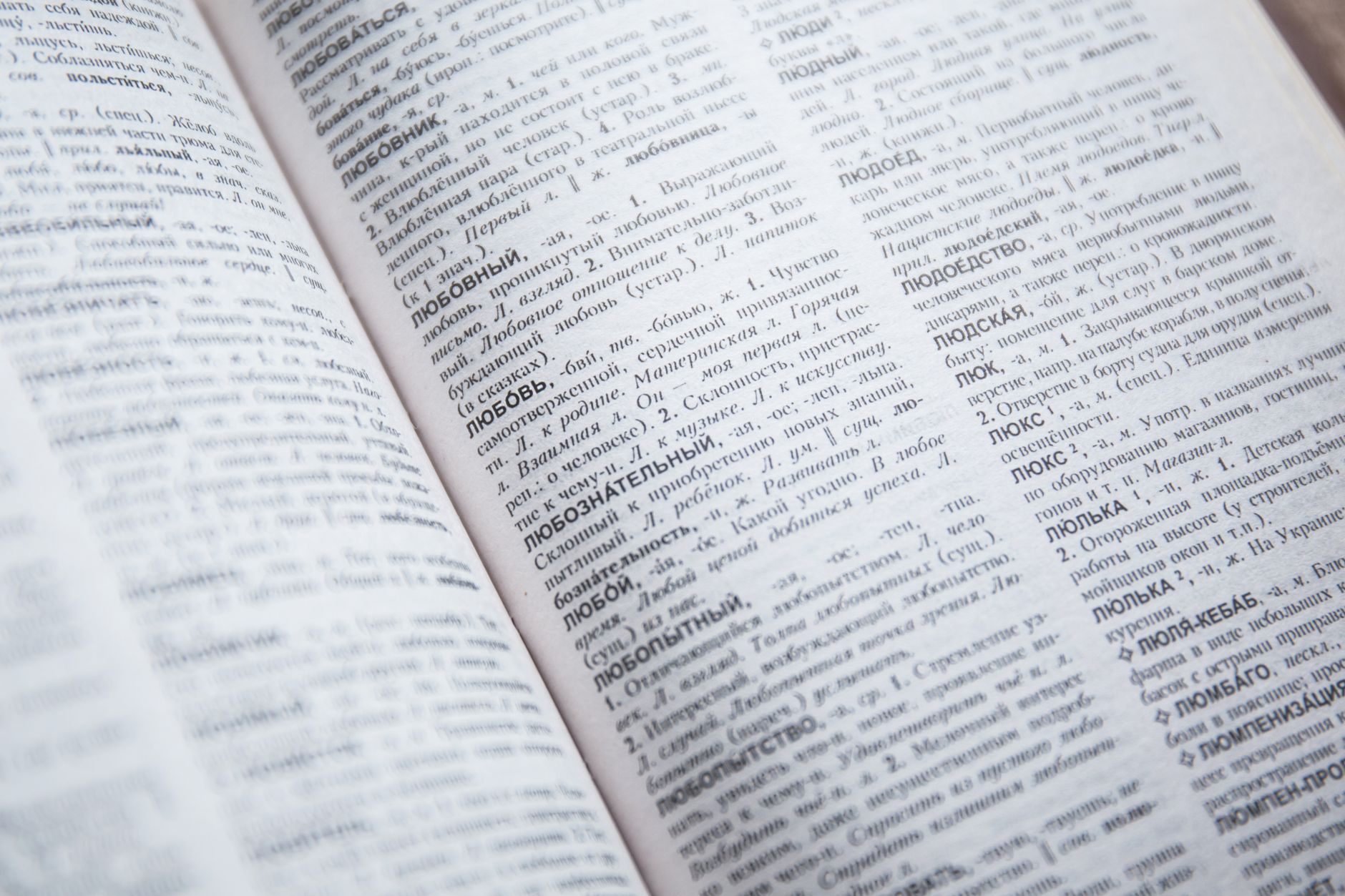
The mix-up between little own and let alone is almost entirely driven by sound. Spoken quickly, especially in informal speech, "let alone" can blur into something that sounds like "little own." But these are not interchangeable phrases. Only let alone is correct in standard English. "Little own" is not a recognised idiom, and it doesn't appear in any standard dictionary as a fixed phrase.
What "let alone" means
"Let alone" is a conjunction used to introduce an extreme case after a statement about something less extreme. It signals that if the first thing is true, the second thing is even more obviously true or impossible. The structure is: statement about A, let alone B, where B is harder, more extreme, or more unlikely than A.
- "She can't afford rent, let alone a holiday."
- "He didn't even finish the first chapter, let alone the whole book."
- "I can't run a mile, let alone a marathon."
In each case, "let alone" tells the reader: don't even consider B when A is already out of reach. It's a sharp, economical phrase with a long history in English writing and speech. The Merriam-Webster definition of "let alone" confirms its use as a conjunction meaning "to say nothing of" or "not to mention."
Why "little own" happens
The error almost always starts in speech. When people say "let alone" at normal conversational speed, the "t" in "let" softens and the phrase can sound, loosely, like "liddle own" or "lih-dlown." Someone who has heard the phrase but not seen it written may attempt to reconstruct it on the page as "little own."
There's also a false logic at work. "Own" is a common English word, and "little" feels like a reasonable modifier in many contexts. The brain fills in a plausible spelling for something it only knows by sound. This is exactly how similar errors arise, such as the mix-up covered in spare of the moment vs spur of the moment, where a mishearing produces a phrase that looks almost right but isn't real.
How to remember the correct form
The easiest fix is to think about what the phrase is actually saying. "Let alone" comes from the older sense of "let" meaning to allow or permit. The phrase essentially says: don't even allow that thought, don't bring that into consideration. It has nothing to do with "own" in any sense. Once you see the logic, the spelling locks in.
Another reliable check: if you can replace the phrase with "not to mention" or "much less" and the sentence still works, you want "let alone." Try it: "She can't afford rent, not to mention a holiday." That holds up perfectly. "She can't afford rent, little own a holiday" makes no grammatical sense at all.
Common sentence patterns with "let alone"
"Let alone" works in both negative and conditional contexts. It almost always follows a negative clause, because it extends the logic of impossibility or absence into an even stronger example. Writing it after a positive statement is unusual and typically signals a mistake.
Correct: "He's never been to London, let alone Paris." Here, not visiting London (the closer, easier destination) is used to set up the greater unlikelihood of visiting Paris. The phrase rewards precise thinking. It's worth checking, every time you reach for it, that the first clause genuinely makes the second one more extreme. If it doesn't, "let alone" isn't the right connector.
This kind of phrase-level precision matters in the same way word-level precision does. Similar attention is needed with phrases like all for not vs all for naught, where the correct form is also often lost to mishearing.
Quick summary
"Little own" is not a real English phrase. It's a mishearing of "let alone," which is the correct and only standard form. Use "let alone" to introduce an extreme case after a negative statement, when you want to signal that the second thing is even further out of reach than the first. If you're ever uncertain, substitute "not to mention" as a quick check. If that swap works, "let alone" is what you want.