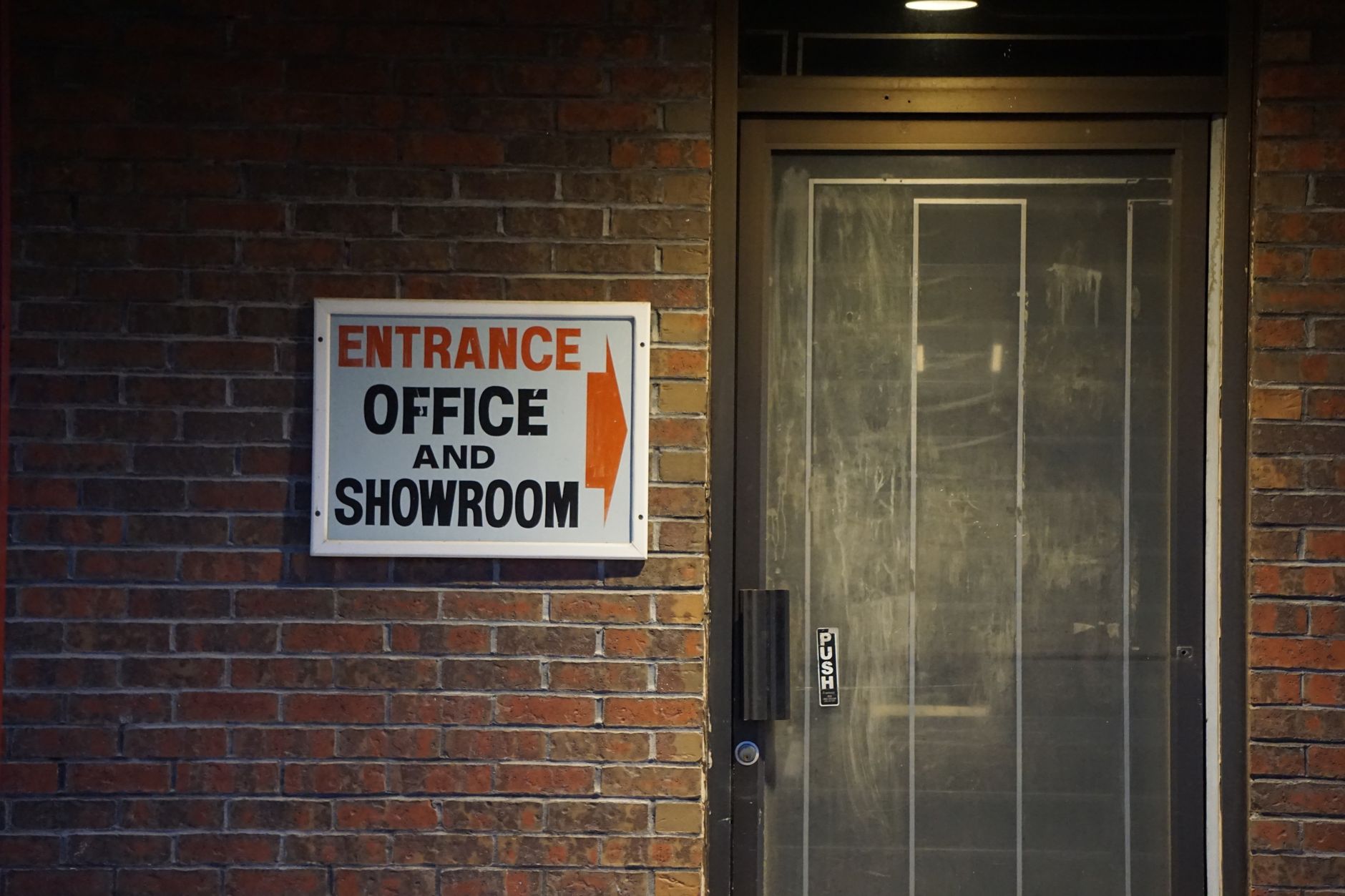
The confusion between premise vs premises trips up writers regularly, and the reason is understandable: the two words look like a simple singular-plural pair. They're not. A premise is a logical or rhetorical starting point. Premises can mean a building and its surrounding land. Knowing which one you need keeps your argument clear and your property description accurate.
What "premise" means
A premise is a statement or proposition that forms the basis of an argument or line of reasoning. If you start a debate with the claim that all living things require water, that claim is your premise. Everything you build on top of it stands or falls depending on whether the premise holds.
The word comes from the medieval Latin praemissa, meaning "something placed before." In formal logic, a syllogism has two premises and a conclusion. In everyday writing, premise works similarly: it's the foundational assumption you're asking a reader to accept before you take them anywhere.
- The film's central premise is that memory can be erased and rewritten.
- Her argument rests on the premise that consumers always act rationally.
- Accept the premise, and the rest of the theory follows naturally.
The plural of this sense is premises. A logical argument can have multiple premises. That's the only time the two words genuinely overlap in spelling, which is the root of the confusion.
What "premises" means as a property term
When people say someone was "asked to leave the premises" or that a business "operates on its own premises," they're using a completely separate sense of the word. Here, premises refers to a building together with its grounds and outbuildings. It's always plural in this sense; you wouldn't talk about "a premise" when you mean a location.
This use comes from legal and property language. In old deeds and contracts, the phrase the premises referred to the property described earlier in the document, specifically what had been "premised" (stated above). Over time the term detached from that procedural meaning and became a standalone noun for any piece of land or property.
A few examples in context:
- No alcohol is permitted on the premises.
- The restaurant closed after inspectors found violations across the entire premises.
- Security cameras cover the premises 24 hours a day.
Notice that you can't swap in "premise" here. "No alcohol is permitted on the premise" would confuse readers instantly. The location sense is always plural, always premises.
Where the mix-up happens
Writers most often go wrong in one of two directions. The first: using "premise" when describing a physical location, as in "she left the premise quickly." That reads as an incomplete logical statement, not a description of someone exiting a building. The second: writing "the premises of her argument" when they mean the foundational assumptions, which is actually correct, but which can feel odd because of the property association.
The simplest test is to ask what you're talking about. A building? Always premises. A foundational assumption? Premise in the singular, premises in the plural. Just as breach vs breech involves two words that look almost identical but carry entirely separate meanings, premise and premises require you to stop and identify which category applies before you write.
Quick comparison
A side-by-side view makes the distinction concrete:
| Word | Category | Example |
|---|---|---|
| Premise | Logic / argument (singular) | The premise needs to be tested. |
| Premises | Logic / argument (plural) | Both premises support the conclusion. |
| Premises | Property / location | She was escorted off the premises. |
Tips for getting it right every time
If you're writing about a physical place, think "property" and reach for premises every time, no exceptions. If you're writing about the foundation of an argument, think "assumption" and choose premise for one, premises for several. This is less like a spelling rule and more like a vocabulary distinction, similar to how mantle vs mantel works: two forms that look nearly the same but point to different things entirely.
One final note worth keeping: in British English, "on the premises" is standard for both commercial and residential property. In American English, the same phrasing applies. Neither dialect has a singular "premise" for a location. If you encounter it, it's a mistake in any variety of English.
Get the distinction clear once, and it stays clear. Premise is a single logical building block. Premises, when used for property, is a fixed plural that describes physical space. They share a spelling but not a meaning, and that's the whole story.